

For years, Michael had worked toward a senior regional leadership role inside his company. The promotion brought greater responsibility, stronger compensation, and direct exposure to global leadership. Colleagues congratulated him warmly, and the recognition initially felt deeply satisfying.
Over time, however, Michael became increasingly sensitive to how others inside the organization responded to him. He paid attention to whether senior leaders acknowledged his ideas, how quickly emails received replies, and whether his work attracted visible appreciation from top management. When another executive received public praise from the CEO, he often found himself quietly reassessing his own standing inside the company.
Michael was experienced, respected, and professionally successful. Yet much of his confidence had gradually become tied to external validation.
Many successful professionals experience this pattern more often than they admit. Career success improves status and visibility, but it does not automatically create emotional security. In many professional environments, professional insecurity quietly grows alongside achievement because success increases exposure to comparison, evaluation, and the need for reassurance from others.
Idea in Brief
The Problem
Many successful professionals remain emotionally dependent on recognition, approval, and external reassurance despite strong careers and visible achievements.
Why It Happens
Modern professional culture rewards visibility, performance, and external validation so consistently that many people gradually begin connecting their self-worth to how they are perceived by others.
The Insight
Achievement can improve professional standing without creating internal security. When validation starts influencing identity rather than simply providing feedback, confidence becomes unstable and externally controlled.
The Takeaway
Real confidence becomes more sustainable when self-respect, competence, and internal clarity matter more than constant external recognition. Professionals who develop internal stability are able to perform, lead, and make decisions with greater consistency because their sense of worth is no longer heavily dependent on approval from others.
Why Success Does Not Feel Like Enough
Many professionals quietly believe that success will eventually create confidence. The assumption develops early and often becomes deeply tied to ambition itself. We expect stronger titles, financial progress, visibility, and recognition to gradually remove insecurity and self-doubt.
What many people eventually discover, however, is that career success often improves external position faster than internal security. A promotion can increase authority without reducing comparison. Public recognition can strengthen a reputation without creating lasting confidence. In competitive professional environments, achievement frequently produces temporary satisfaction before expectations reset again. This pattern often becomes visible when professionals begin hitting career plateaus despite continued achievement.
Over the years, I have seen this pattern repeatedly across leadership and corporate environments. Some of the most capable professionals I have worked with were also highly sensitive to external reassurance. They handled complex responsibilities effectively and built strong reputations, yet much of their confidence still depended on recognition, appreciation, and visible approval from influential people around them.
Modern professional culture quietly intensifies this dependence. In many organizations, recognition no longer functions only as feedback for good work. It increasingly becomes psychological proof of relevance, competence, and professional value. As a result, many successful professionals continue pursuing achievement while expecting external validation to solve an internal insecurity that achievement alone cannot fully address. Over time, this dynamic also contributes to high-performer burnout.
How Professional Culture Fuels Professional Insecurity
Modern professional culture rewards visibility almost as much as competence. In many organizations, professionals are evaluated not only through results but also through perception, influence, visibility, and recognition from senior leadership. This often shapes the deeper dynamics of power, authority, and influence inside organizations.
As careers progress, people become increasingly exposed to evaluation systems such as performance reviews, promotion discussions, leadership assessments, compensation comparisons, and public recognition. Over time, these signals begin influencing more than career progression. They gradually shape confidence, identity, and self-worth.
I have seen highly capable professionals become unusually affected by situations that appear minor on the surface. A senior leader not acknowledging an idea during a meeting, exclusion from an important discussion, or another colleague receiving visible appreciation from top management can create disproportionate emotional impact.
In many cases, the reaction is not only about career consequences. It reflects how strongly external validation has become connected to confidence, identity, and professional self-worth.
Social media has intensified this dynamic further. Platforms such as LinkedIn continuously expose professionals to the achievements, visibility, and recognition of others. Used carefully, these platforms can create valuable opportunities for learning and networking, but they can also encourage constant comparison and make confidence increasingly dependent on external response and visibility. Over time, this also contributes to the hidden cost of constant connectivity.
When Validation Shapes Self-Worth
External validation is not inherently unhealthy. Recognition, appreciation, and constructive feedback are important in every professional environment because people naturally want their work to be respected and acknowledged.
The problem begins when validation stops functioning as feedback and starts influencing identity. At that stage, confidence becomes increasingly dependent on how other people respond, react, or evaluate performance. Approval creates reassurance, while silence, exclusion, or lack of recognition begins affecting self-worth much more deeply.
In my experience working with professionals across leadership and corporate environments, this pattern often appears even among people who seem highly confident from the outside. Their competence is real, but their emotional stability remains unusually sensitive to external signals. A positive interaction with senior leadership can improve confidence temporarily, while a perceived lack of appreciation can quietly trigger self-doubt, overthinking, or comparison.
This dynamic becomes especially difficult in ambitious professional environments because external validation rarely remains stable for very long. Recognition fades quickly, expectations continuously rise, and organizations naturally shift attention toward newer priorities, stronger performers, or different leadership personalities. Professionals who become psychologically dependent on reassurance often find themselves trapped in a cycle where confidence requires repeated approval, visibility, or recognition from others. This pattern becomes even more dangerous when professionals struggle with emotional reactivity.
Over time, feedback stops being used mainly for improvement and starts being used to regulate self-worth. That shift is subtle, but it changes the emotional relationship people develop with work, achievement, and professional recognition.
The Fear of Becoming Irrelevant
One reason validation becomes psychologically powerful is that many professionals quietly associate recognition with relevance. As long as their work is acknowledged, respected, and visible, they feel secure about their position inside the organization and their broader professional identity.
In highly competitive environments, however, visibility constantly shifts. A younger colleague rises quickly. Another executive begins attracting more leadership attention. Industry conversations move toward new skills, technologies, or leadership styles. Even experienced professionals with strong track records can begin questioning their own standing when recognition starts moving elsewhere. This is one reason many professionals eventually experience career plateaus.
Working closely with leadership teams and ambitious professionals, I have observed that many people are not primarily afraid of hard work or responsibility. What affects them more deeply is the possibility of becoming professionally less relevant, less visible, or less valued inside systems where recognition strongly influences perception.
This partly explains why insecurity often continues even after significant career success. Achievement increases responsibility and visibility, but it also increases psychological attachment to reputation and professional identity. The more people associate self-worth with recognition, the more emotionally difficult it becomes when attention, influence, or visibility begins shifting toward others. Over time, many professionals also struggle with professional visibility at work.
We can see versions of this pattern even among globally successful business leaders. Financial success and senior authority do not automatically eliminate the human need to feel respected, influential, and professionally relevant. In many cases, external achievement increases sensitivity to comparison because identity becomes more deeply connected to reputation and public perception.
The Pressure to Stay Recognized
One of the less discussed consequences of modern professional culture is that many ambitious people begin feeling pressure to remain continuously acknowledged, visible, and professionally valued. Recognition no longer feels occasional. Over time, many professionals begin experiencing it as something they must maintain.
Recognition Becomes Closely Linked to Identity
In many organizations, recognition is no longer seen only as appreciation for good work. It increasingly becomes associated with relevance, influence, credibility, and career standing. As a result, professionals can gradually begin connecting self-worth to how acknowledged or valued they appear inside the system.
From what I have seen over the years, even highly accomplished professionals become uncomfortable when they feel less noticed, less consulted, or less appreciated than before. The reaction is often subtle, but it can quietly influence confidence, decision-making, and professional behavior. Over time, this can weaken judgment at work.
Visibility Has Become Continuous
Platforms such as LinkedIn have intensified this dynamic by making professional visibility constant and measurable. Promotions, achievements, awards, and leadership positioning are now continuously displayed in public view.
These platforms can create valuable opportunities for learning and networking, but they also encourage comparison. Over time, confidence can become increasingly dependent on external response and visibility rather than grounded in internal stability.
This partly explains why some professionals remain emotionally restless despite meaningful career success. When recognition becomes psychologically important, visibility begins carrying emotional weight far beyond its practical value. Over time, this can also contribute to high-performer burnout.
The Cost of Depending Too Much on Validation
Depending heavily on external validation creates consequences that are often subtle at first but psychologically significant over time. The issue is not that professionals value recognition or appreciation. The deeper problem emerges when confidence and emotional stability become too dependent on external response.
Confidence Becomes Emotionally Reactive
Professionals who rely heavily on validation often experience unstable confidence. Positive feedback creates temporary reassurance, while criticism, silence, exclusion, or lack of recognition begins carrying disproportionate emotional weight. As a result, confidence fluctuates too easily based on external response. This often increases emotional reactivity.
Professional Behavior Starts Changing
In many environments, people gradually begin adapting their behavior in ways designed to protect approval and recognition. They become more cautious about disagreement, more sensitive to visibility, and more concerned about how their decisions will be perceived internally. Over time, this can weaken authenticity, independent thinking, and clarity in modern work.
Success Stops Feeling Emotionally Satisfying
Over the years, I have noticed that professionals who depend heavily on reassurance rarely feel satisfied for very long, even after meaningful success. Achievements create temporary emotional highs, but the effect fades quickly because confidence still requires repeated reinforcement from external sources.
This partly explains why many successful professionals remain emotionally restless despite strong careers and visible accomplishments. External validation can support confidence temporarily, but it rarely creates the deeper internal stability that allows people to feel secure regardless of changing recognition, visibility, or approval from others.
Building Confidence Beyond Validation
The solution to validation dependence is not rejecting recognition or pretending that external feedback does not matter. Healthy professionals value appreciation, constructive feedback, and professional respect. The deeper shift involves reducing emotional dependence on these signals for self-worth and confidence.
Over the years, one pattern has appeared repeatedly across leadership and corporate environments. Emotionally secure professionals usually develop a more stable internal relationship with achievement. They appreciate recognition, but they do not rely on it continuously to feel competent or valuable. Their confidence is increasingly grounded in preparation, judgment, consistency, character, and self-respect rather than constant external reassurance.
Separating Performance from Self-Worth
One of the most important psychological shifts involves learning to separate professional outcomes from personal value. A failed presentation, missed opportunity, difficult quarter, or lack of recognition may affect results and emotions temporarily, but emotionally secure professionals do not automatically interpret every setback as evidence of diminished worth.
Developing Personal Standards
Many professionals depend too heavily on external recognition because they lack strong internal standards for evaluating themselves. Over time, emotionally mature professionals begin relying more on personal discipline, quality of thinking, integrity, and consistency rather than only external approval. This is closely connected to developing skills, competence, and character.
We can see versions of this mindset among respected long-term leaders who remain steady despite changing public attention or market visibility. Their confidence often appears quieter because it is less dependent on constant recognition and more connected to internal clarity about who they are and how they operate.
Building this kind of confidence takes time because modern professional culture continuously rewards visibility and comparison. Yet professionals who gradually develop stronger internal stability often experience greater emotional consistency, clarity, and independence in both leadership and personal life.
How Secure Professionals Think Differently
Emotionally secure professionals are not people who never experience self-doubt, criticism, disappointment, or comparison. The difference is that these experiences do not completely control their sense of identity or emotional stability.
They Do Not Treat Every Reaction as Personal Validation
Secure professionals understand that organizational behavior is influenced by many factors beyond personal worth. A delayed response, lack of praise, disagreement in a meeting, or exclusion from a discussion is not automatically interpreted as rejection or diminished value. This allows them to remain more emotionally balanced in high-pressure environments.
They Focus More on Substance Than Visibility
Many emotionally secure leaders invest more energy in preparation, judgment, execution, and long-term credibility than in constantly managing perception. Visibility still matters professionally, but it does not become the primary source of confidence or identity. This reflects the mindset behind execution as a discipline.
We can observe this quality in several respected long-term business leaders whose influence remained stable even when public attention shifted elsewhere. Their confidence often appeared measured and grounded because it was built more on capability and clarity than continuous external recognition.
They Build Confidence Through Consistency
Professionals with stronger internal stability usually rely less on temporary emotional highs created by praise or recognition. Instead, confidence develops gradually through repeated action, disciplined thinking, resilience during setbacks, and trust in one’s own preparation and judgment. This kind of stability is often strengthened through growth mindset thinking.
This mindset does not eliminate ambition or the desire to succeed. It simply creates a healthier relationship with achievement because confidence becomes less dependent on constant reassurance from other people.
Rethinking Confidence and Success
Many accomplished leaders eventually realize that professional success and emotional security are not automatically connected. Achievement can improve influence, reputation, financial position, and authority, yet confidence may still remain psychologically dependent on recognition, approval, and external relevance. In many cases, insecurity often comes from deeper internal patterns.
We can see this tension across very different leadership personalities and business environments. Steve Jobs was widely recognized for extraordinary vision, intensity, and influence, yet his professional identity was also deeply connected to how his work and leadership were perceived. Leaders operating at that level often experience both the rewards and pressures of visibility more intensely than most people realize.
By contrast, leaders such as Satya Nadella are often associated with a calmer and more internally grounded leadership style. Confidence in such leaders appears less dependent on constant projection or external dominance and more connected to clarity, long-term thinking, and consistency of judgment. The contrast is important because it shows that confidence can emerge from very different psychological foundations.
Over time, many emotionally mature professionals begin developing a healthier relationship with achievement itself. Recognition still matters, but it no longer completely controls emotional stability. Feedback remains valuable, but it is not treated as proof of personal worth. Confidence becomes quieter because identity is grounded more in preparation, values, judgment, and self-respect than in continuous external reassurance. This reflects the deeper shift toward sustainable excellence.
This shift often changes leadership behavior in important ways. Professionals become less reactive to comparison, less emotionally dependent on visibility, and more willing to make decisions based on conviction rather than approval. Work also becomes psychologically healthier because achievement is no longer carrying the burden of constantly repairing self-worth.
Most people will always value recognition to some extent because respect, appreciation, and acknowledgment are normal human needs. The deeper challenge is learning how to pursue success without allowing external validation to become the primary source of confidence and identity.
About the Author
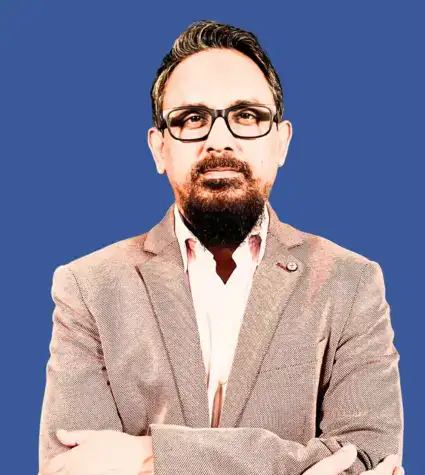
Sarwar Alam is a Regional Business Leader with 18+ years of experience building and scaling B2B businesses across India, the Middle East, Africa, and Asia. He has led multi-country P&L, go-to-market strategy, revenue growth, market expansion, and cross-functional teams across Sales, Marketing, Operations, and Customer Functions.
His career includes leadership roles with 3M, ExxonMobil, Diversey, and Betco, with experience across the Hygiene, Automotive Aftermarket, and Lubricants industries. He holds an MBA from Cochin University of Science & Technology (CUSAT) and a Bachelor of Computer Applications from IGNOU.
Sarwar is the Founder of Sarwar Alam Insights and Founder & CEO of CATAGROW. He is also the author of Bihari Boy in Kerala, a book exploring identity, resilience, and life experiences through personal storytelling.
Through Sarwar Alam Insights, he writes about leadership, career growth, strategy, and life wisdom, drawing on professional experience across diverse markets and organizations.
Disclaimer: This article is based on personal experience and insights. It does not constitute financial, legal, or medical advice.